
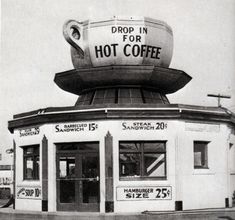
The history of coffee shops in Ottawa has evolved from humble beginnings to a vibrant and integral part of the city's culture. In the early 20th century, cafés in Ottawa were predominantly European-style establishments, offering a refuge for immigrants and a place for the city's growing European community to socialize, share stories, and savour coffee. These early cafés set the stage for what would eventually become Ottawa’s diverse and thriving coffee industry.
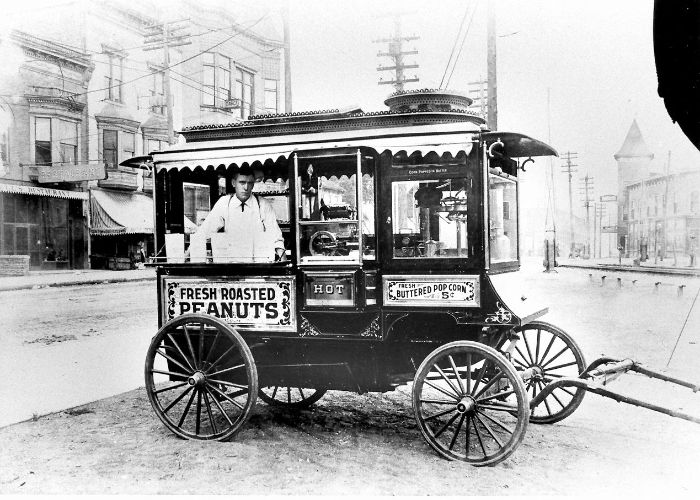
Food trucks have been a staple for on-the-go eats since shortly after the American Civil War ended, with the modern style’s roots spanning back to the 1950s
According to the History Channel’s website, after the Civil War ended, chuck wagons and push carts were designed to serve American urban workers and cowboys in what was known as the “Wild West” at the time.
“Chuck wagons followed trail-driving cowpokes in the Wild West, serving breakfast, lunch and dinner to hungry men across the plains,” said Stephanie Butler, author of the History article. “The wagons themselves were designed specifically for cooking, with separate areas for pot storage, washing up and food preparation.”
This direct link from the 19th century influenced the rapid rise in vehicular dining services in the mid-20th century. Ice cream, taco and burger trucks started gaining popularity and re-invented the sit-down dining experience and got adopted by countries around the world including Canada.
The idea of walking into a grocery store and purchasing a fresh slab of carefully selected meat is an European commonality that many find nostalgia for when immigrating to new cultures. The first few Delis in Canada have been from Jewish communities which developed the delicatessen roughly translated as “delicious things to eat” (France-Germanic translation). They have since been a staple in almost every Canadian city as well as variations of European markets or delis that offer authentic products.
In Ottawa, one of the first delis to open was Nate’s Deli in a small rented-out house on 316 Rideau Street. It was opened by siblings Dave, Freda, Jack and Nathan Smith in 1959 and delivered quality smoked meats and deli classics until the original location closed on May 31. 2010.
“We only closed to clean up," Dave Smith said in an Ottawa Citizen article.
Smith was a well-known businessman and philanthropist in Ottawa. Throughout his life, he founded the Dave Smith Youth Treatment Foundation and dedicated himself to helping those in his community. He touched many in his life before passing away in 2020 and his memory continues to live on in the heart of Ottawa.
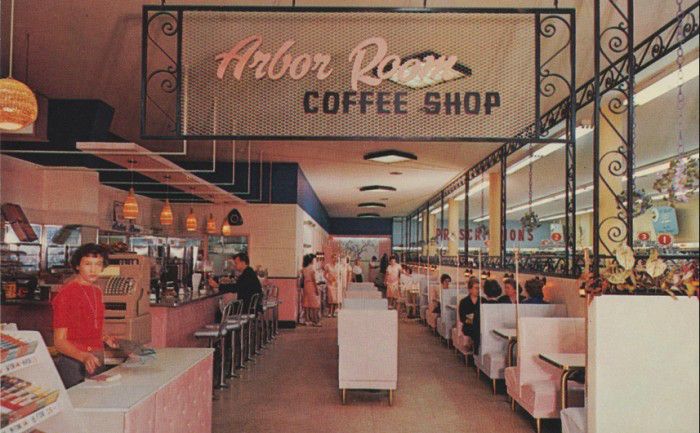
The modern coffee scene in the Canadian capital began to take its shape in the 1980s when Bridgehead Coffeehouse opened its doors in 1981. Pioneering the specialty coffee movement in Ottawa, Bridgehead focused on serving high-quality, ethically sourced coffee. Its emphasis on sustainability and quality sparked a shift away from traditional café offerings.
“We believe every cup has the power to connect communities, from the farmers who grow our beans to the neighbourhoods we serve,” says the Bridgehead’s philosophy page.
This laid the foundation for what would soon become a growing trend of independent coffee shops across the city. These new businesses were not just about coffee; they were about creating a community hub - spaces where customers could sip their freshly brewed coffee while engaging in a unique environment of kinship.

The 1990s saw the rise of international coffee chains like Starbucks, which introduced Ottawans to novel global flavours. While these chains became a fixture in the city as well as in pop culture, local businesses maintained a strong foothold in Ottawa's coffee scene due to their distinct identities. Independent cafés like Art-Is-In Bakery and Happy Goat Coffee rose to prominence, reflecting the city's expanding arts and tech cultures.
These cafés weren’t just about the coffee — hosting art exhibitions, live music performances, and tech meetups became a common practice, and the ever-growing eclectic mix of cafés began to truly reflect Ottawa's diversity and growing creative energy.
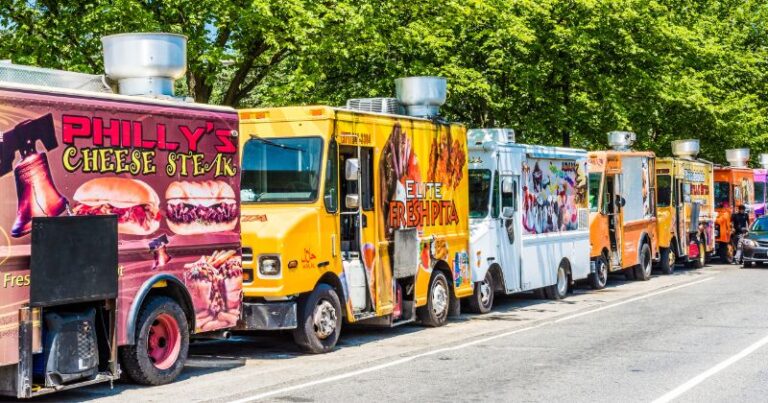
Due to their unsanitary cleaning methods, unusual practices that included selling cigarettes and inconvenient locations, food trucks gained a bad reputation and a derogatory nickname, “Roach Coaches”, in the 1960s. For many years, food trucks had a poor reputation, but the 2008 Great Recession changed that. Many people, facing job loss due to the economic downturn, saw food trucks as a way to earn a living while offering affordable, high-quality food according to the institute for justice organization.
It is unknown which food truck was claimed to be Ottawa’s first, but the amount of food trucks seen in the city has spiked since 2013, which is when the city granted vendors the permit to set up shop.