What's behind the beans
By: Nathalia Lencioni
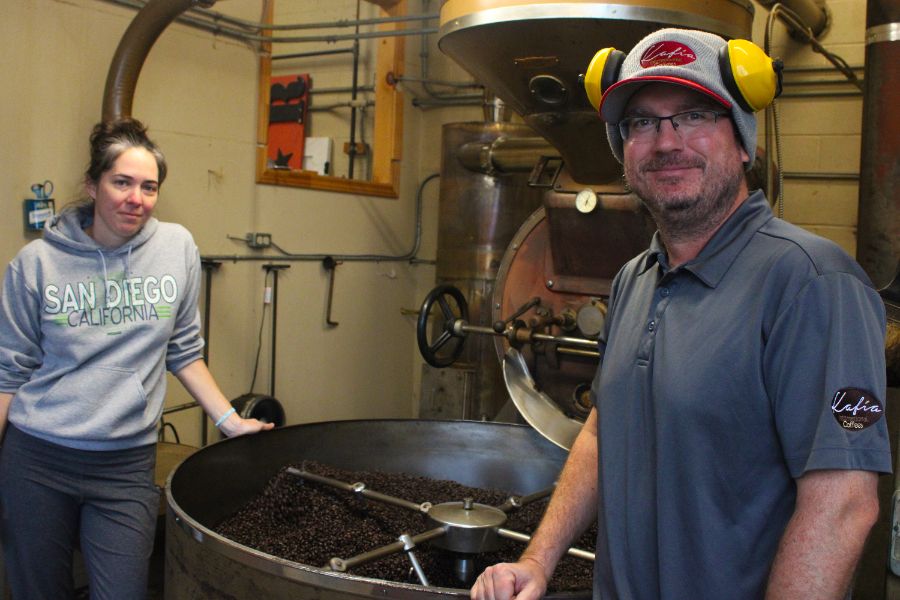
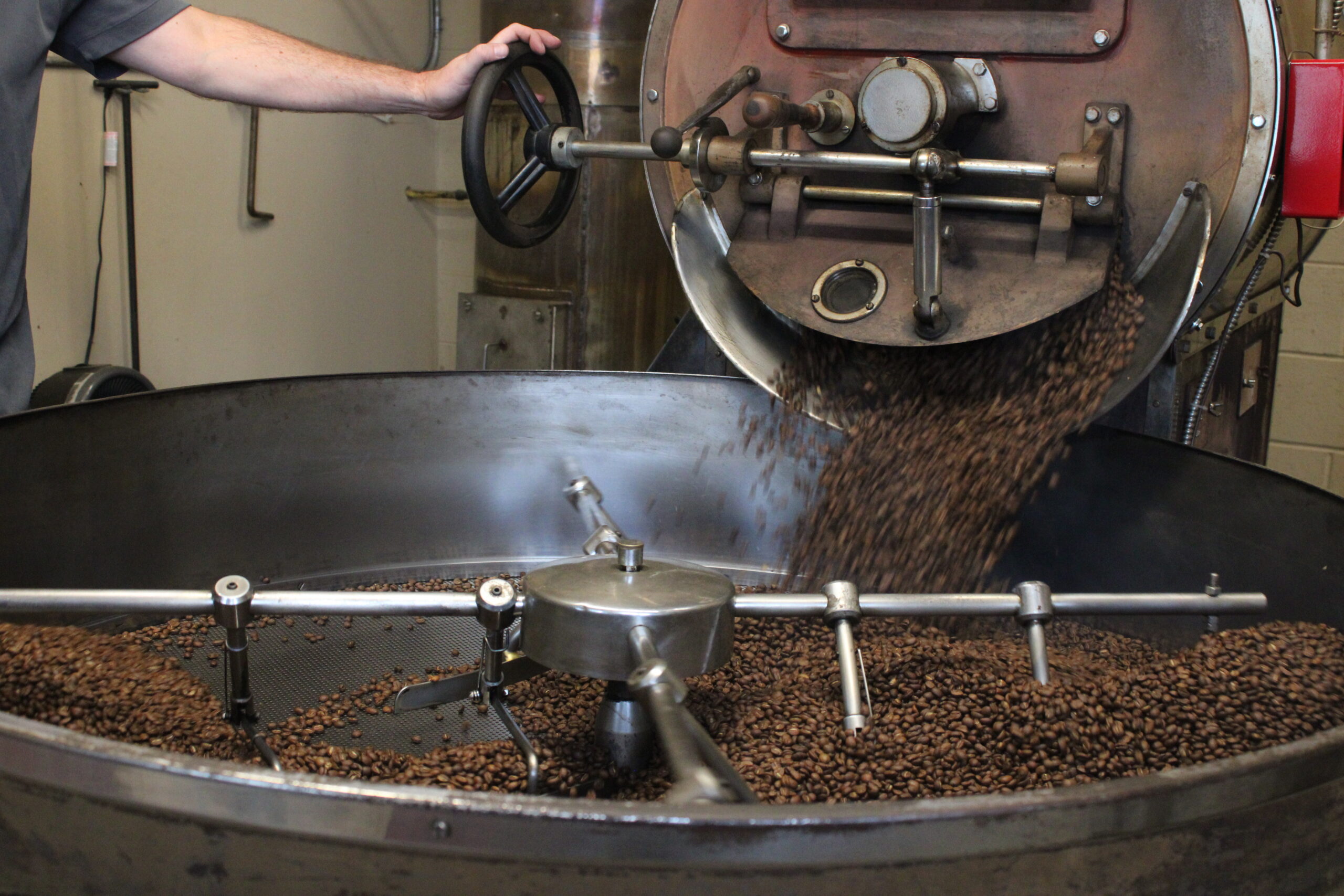
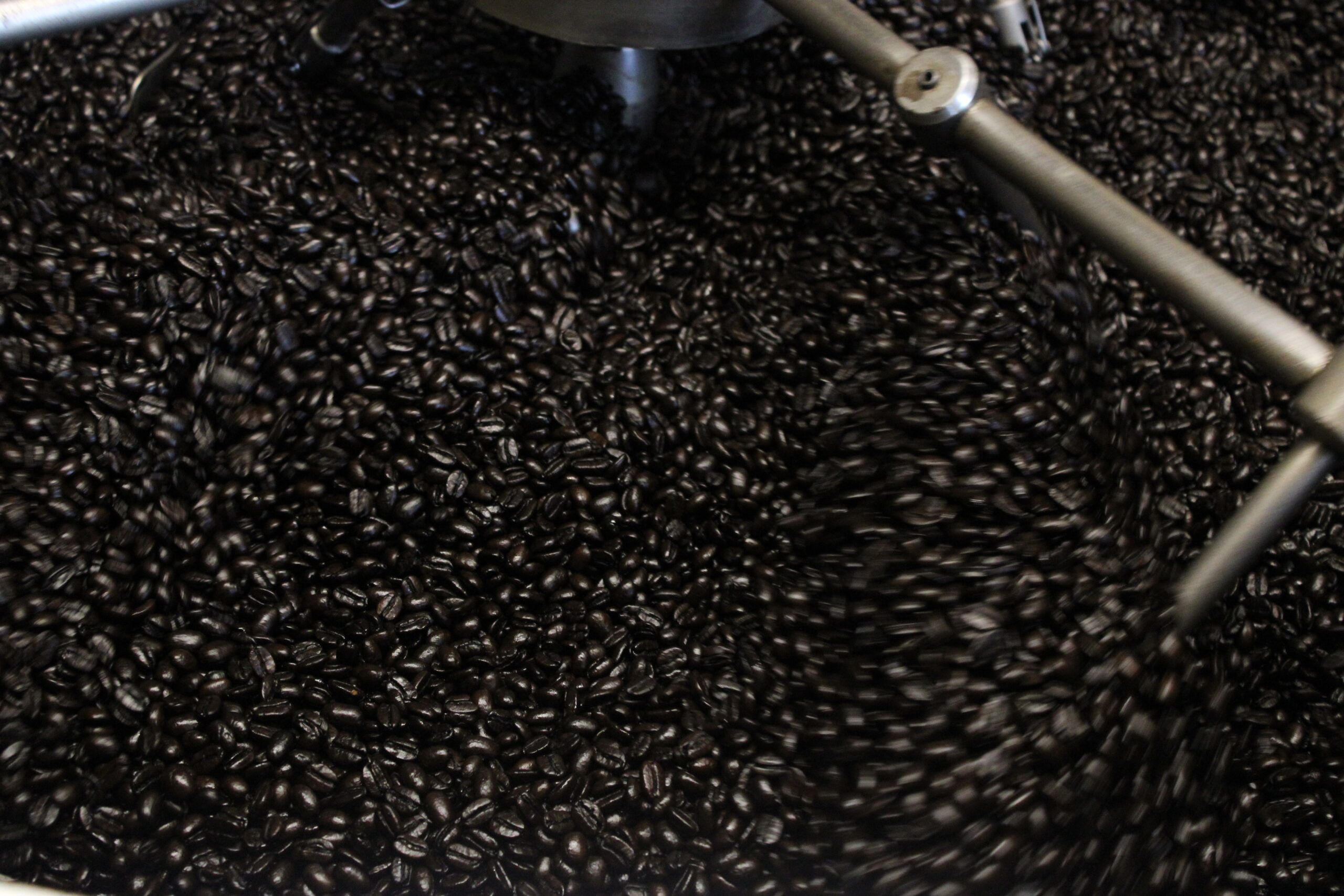
Kafia International Coffees is a family-owned coffee roaster in the heart of Nepean that has been a pillar in Ottawa’s coffee community since 1978. Many of the coffee brands seen on supermarket shelves around the city were roasted in a 1973 Italian Petroncini roaster, operated manually by Gordon Fitzpatrick.
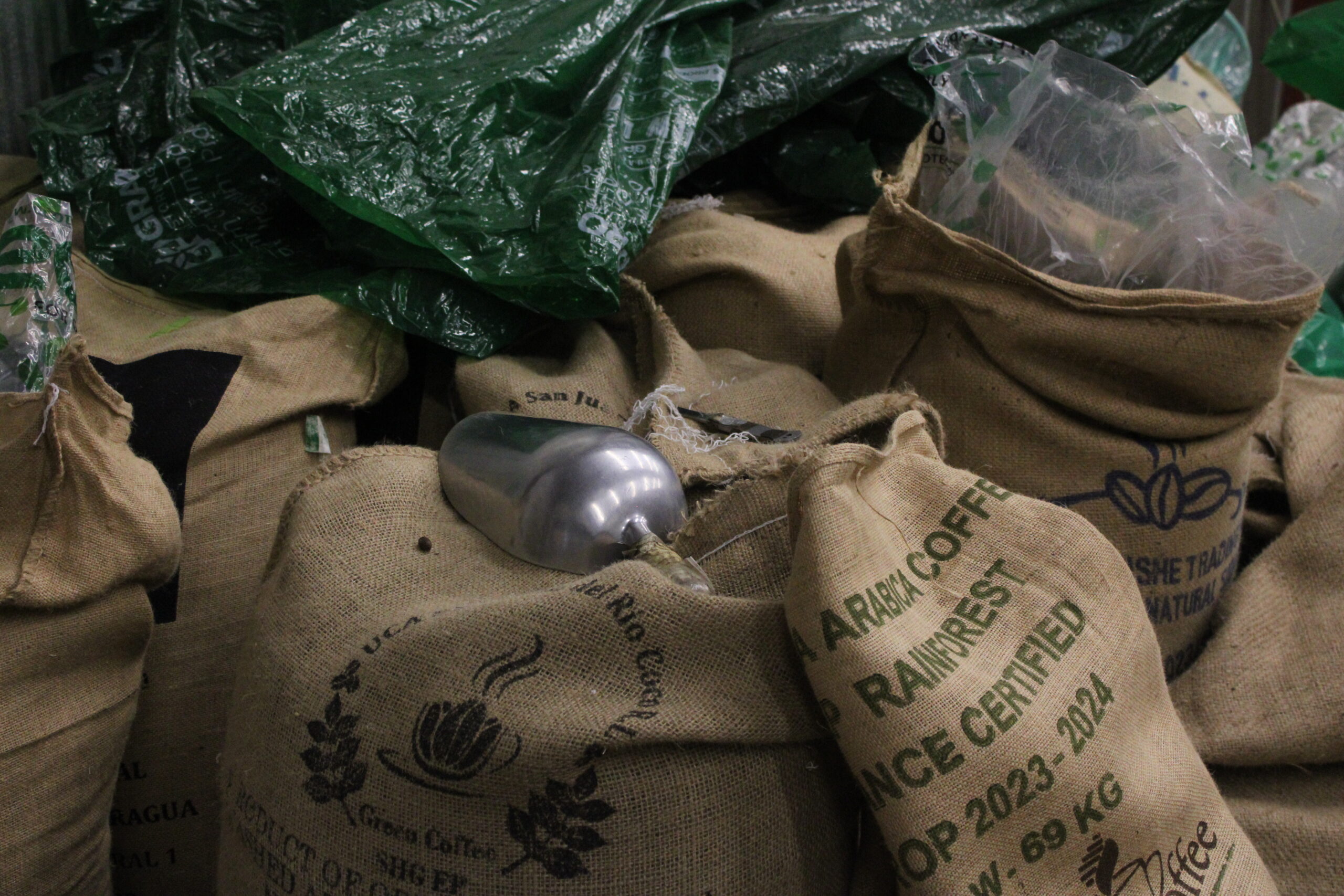
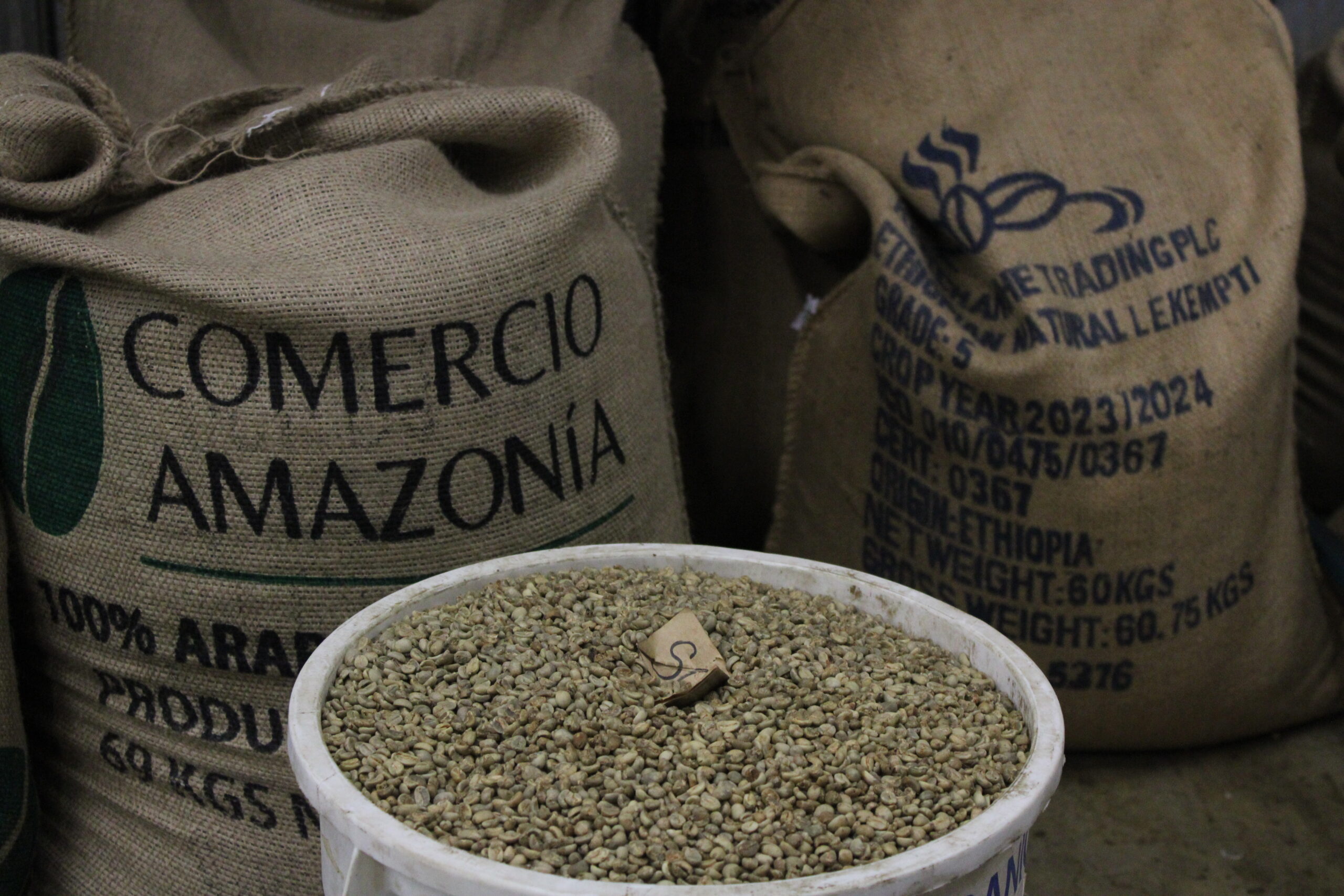
Coffee travels a long way and is carefully handled by hundreds of people – through harvesting, processing, roasting and grinding before reaching millions of cups worldwide. From bean to brew, these processes have been carefully developed through generations and are deeply important to businesses and cultures across the world.
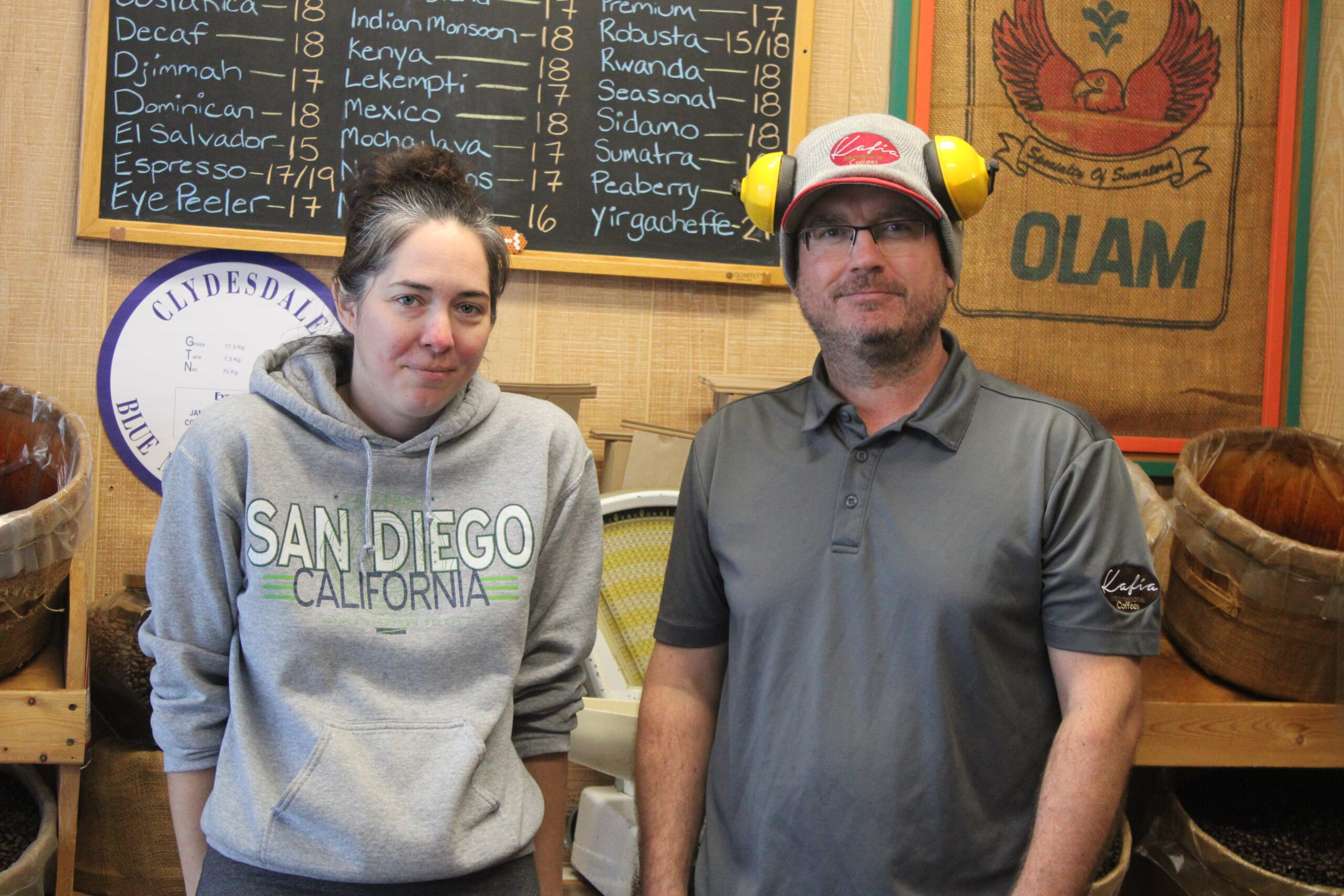
What started as a dream brought from Lebanon by the company’s founder, George Rizik, and was later bought as a passion project by Gordon’s uncle – was then transformed into a thriving local business by Stacy and Gordon’s dedication, passion for good quality coffee and community.
Gordon and his wife, Stacy Fitzpatrick, have been together since the age of 16 and supported each other through very difficult times, including homelessness.
“We saved each other in the truest sense of the word,” said Gordon.
Taking over the business meant a lot of learning and practicing, according to Gordon. He said Stacy worked in the business warehouse for 15 years prior and already understood that part of the business, but he still needed to learn how to run the roaster.
“This equipment, because it’s from 1973, requires you to learn through osmosis,” said Gordon. “I basically shadowed him (his uncle) for months on end, watching him. And then when we took over it was a lot more education, chatting with other roasters, seeing what they’re best at.”
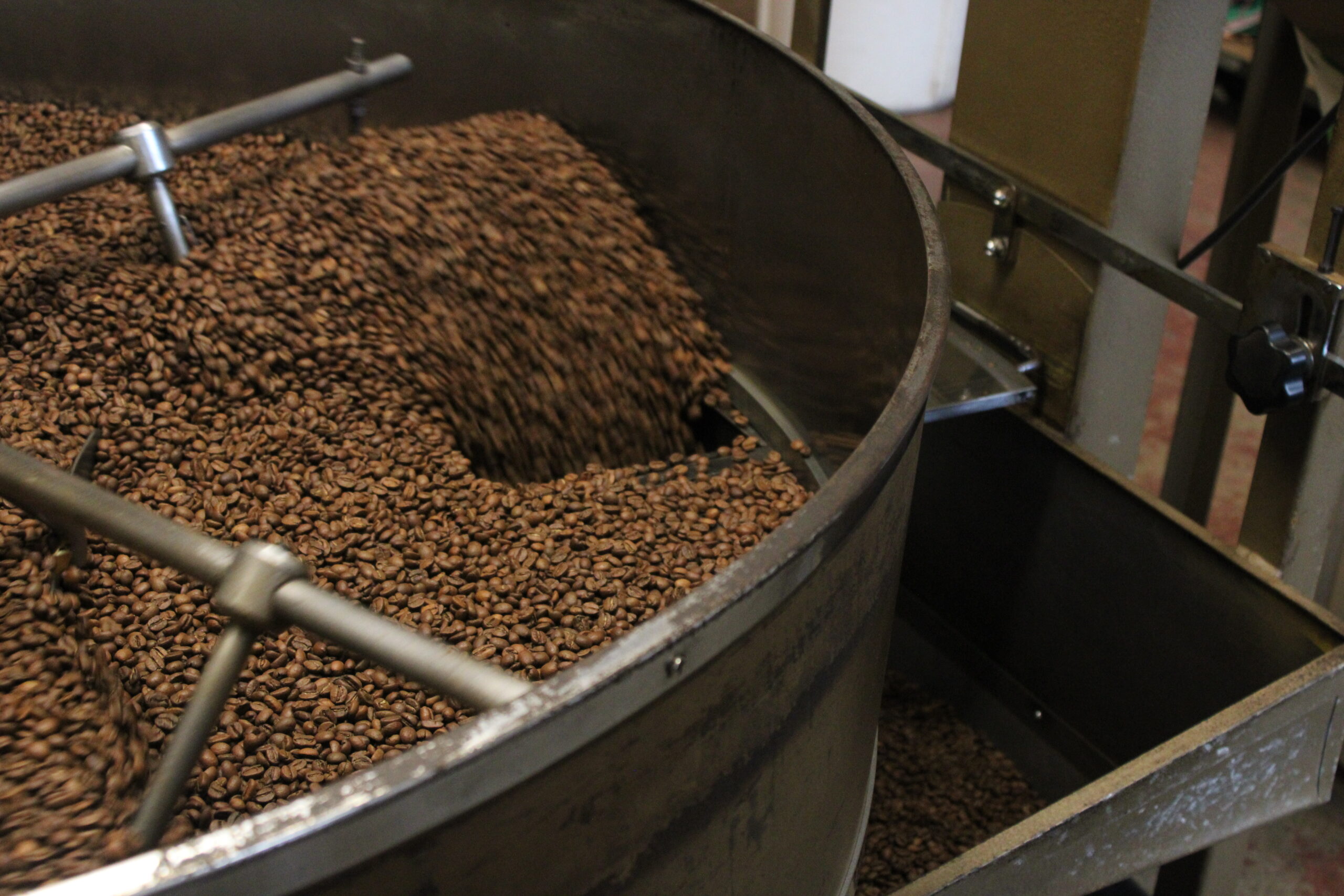
Gordon said it didn’t take long for him to interpret, learn and modify other roasters techniques into his own practice. Currently, at Kafia International Coffees 1600 pounds of coffee beans are roasted every Saturday in 25 to 30 batches, including decaffeinated coffee.
There are a couple of different methods used to decaffeinate coffee beans; one is methyl chloride, which is a chemical that destroys 100 per cent of the caffeine in the bean, but also leaves an aftertaste in the coffee. Swiss water process is a patented process by a Canadian company from B.C. which uses natural enzymes to decaffeinate the beans.
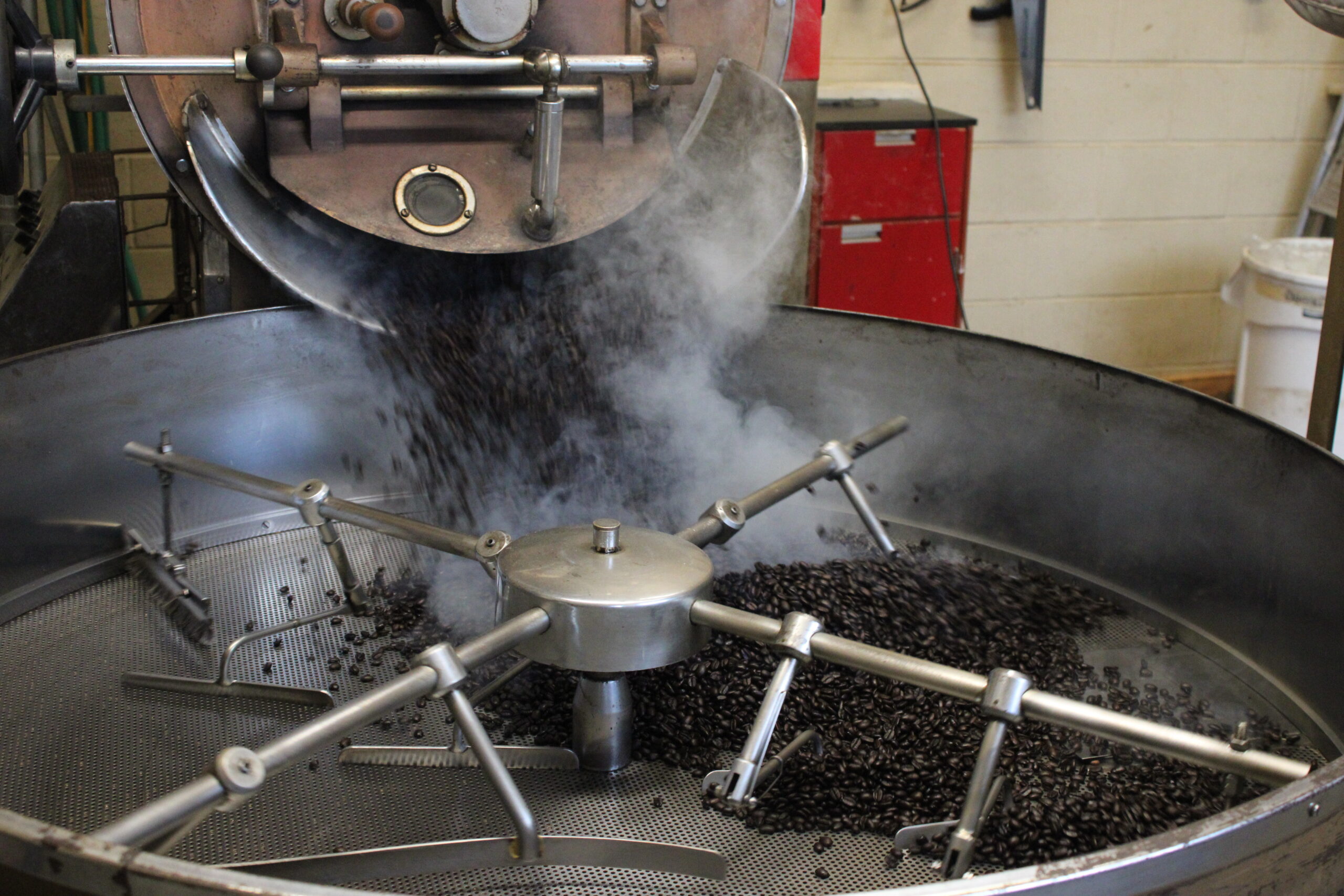
“They don’t come out fully decaffeinated, but mostly,” said Gordon. “And then when I roast it, the darker the roast, the more caffeine I’m cooking off. So when you get a super dark, decaf, Swiss water process, your odds of decaffeination are close to 100. Not the same as the chemical, but nobody likes a bad taste in their coffee.”
Despite the challenges of running a roastery with only a small team, the Fitzpatricks are very proud of the product they deliver. Their roasted coffee beans and ground coffee is supplied to a range of local coffee shops, some even working with the couple to create custom blends.
However, Kafia Coffee’s name doesn’t always appear on the final product – many of their wholesale customers,who sell to grocery stores, prefer to sell the beans under their own brands, a model known as white labeling.
“We have great relationships with these businesses. We prefer to let them take ownership of their branding and identity while still providing them with the high-quality beans they need,” said Stacy.
Gordon, who admits to being a “numbers guy,” has a unique approach to roasting.
“Coffee roasting is as much about science as it is about intuition. The machine is old, but it’s still incredibly effective. We have to account for a lot of variables, like ambient air temperature and moisture levels, which can change every time we roast. Even the cold air outside can affect how long the beans take to roast,” he said.
The roaster, a rare find in the industry since the original manufacturer was sold to the IMA group in 2018, operates with a manual touch that many modern machines don’t require.
Gordon explained that once the beans are roasted, they need at least 48 hours to de-gas before they can be packaged or brewed. While that means customers can’t enjoy coffee straight from the roaster, it ensures that every batch is perfectly balanced and ready for brewing.
“ Customers come in and they’re always welcome to come back and see the process,” said Gordon. “In the summer, the door is always open. It’s a little chilly right now to leave the door open, but I always love to explain the process. Educating people is so rewarding, a lot of them run to the cafe and grab a cup of coffee. They have no idea the love and effort it took for those beans to be in there.”
While they’ve been careful not to overextend themselves by reserving Sundays and Mondays for family time with their two teenagers, the Fitzpatricks are looking to the future with optimism. The demand for their coffee continues to grow, with customers as far as Montreal regularly reaching out for more beans.
The couple is considering expanding their reach by launching an online store, though that would come with its own set of challenges.
“We’re a small team, and launching an online store takes time and energy that we just don’t have a lot of. But it’s something we’re definitely exploring,” said Gordon. “We’d love to make our beans more accessible to people who can’t drive all the way out to Ottawa.”
With financial struggles affecting people everywhere, Gordon and Stacy said they have deep roots in this community, and will do their best to help people through tough times.
“There’s a lot of cafés and a lot of coffee places in town right now that I know are going to be struggling paying for their coffee,” said Stacy. “And hopefully we can help them out when we can.”



Undergrounds Co brings coffee with a cultural twist
By: Nathalia Lencioni
For Ottawa’s downtown residents, O-FRANGO’s storefront location on 769 Gladstone Avenue has been a reliable source of good food, service and atmosphere for years. But now, on Saturdays and Sundays, it is also a source of innovative, seriously good coffee.
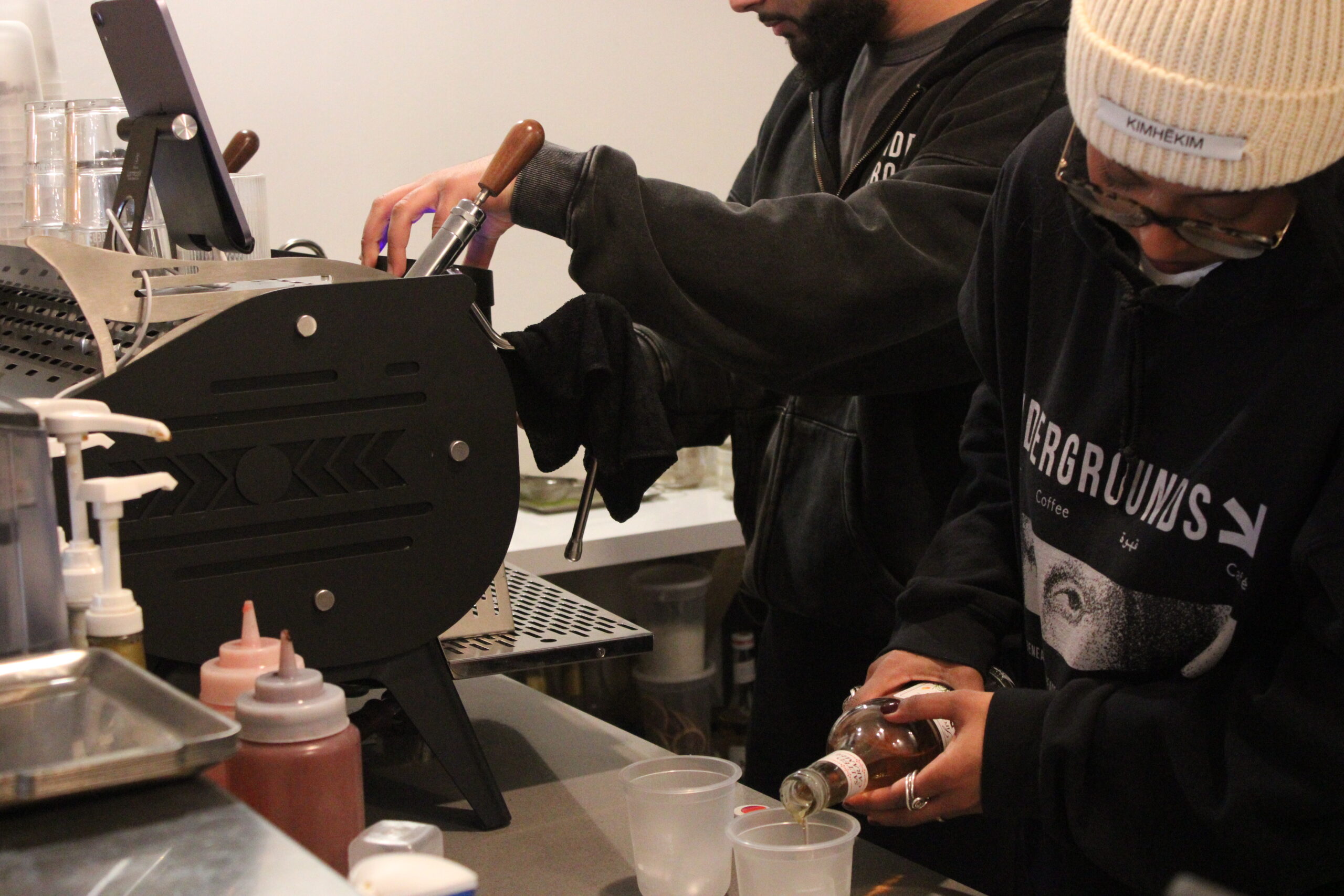
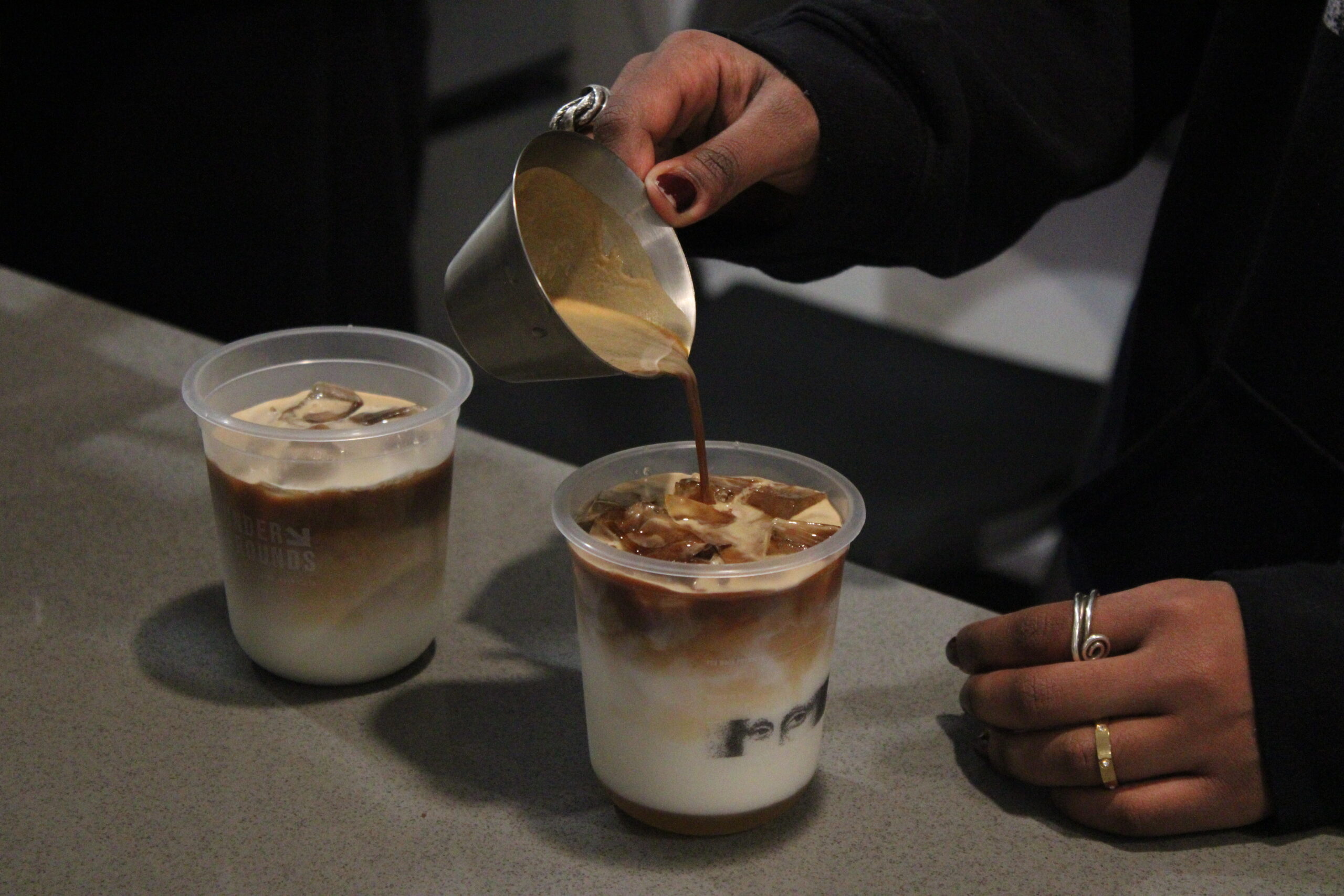
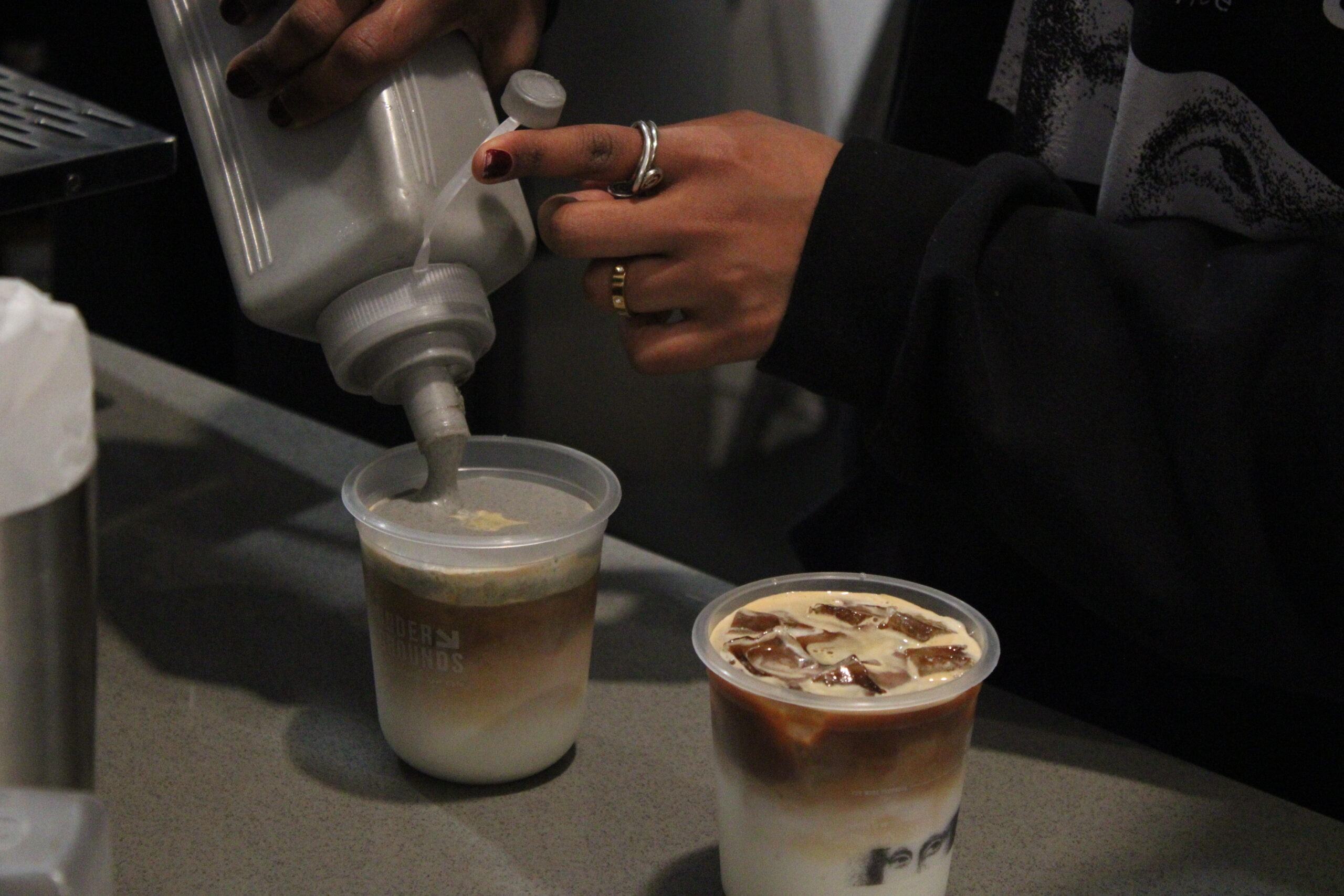
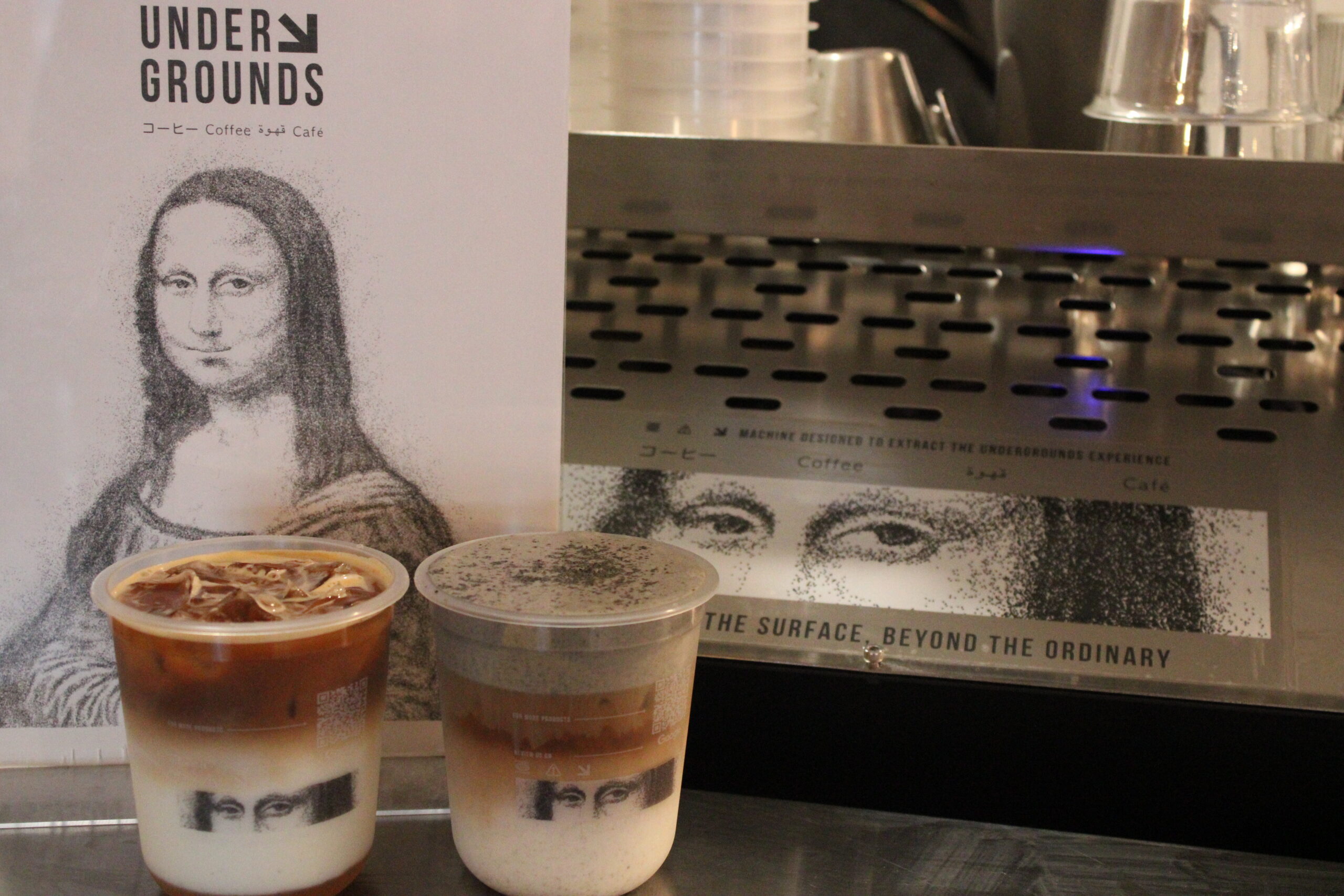
Undergrounds Co Coffee is a pop-up coffee shop, founded and run by Marwah Alshaebi and her brothers Haithm Alshaebi and Khaled Alshaebi. For them, opening a coffee shop in their family-owned restaurant meant so much more than just another business endeavour.
“Me and my family have so much passion and love for coffee. It’s a significant part of our culture and upbringing,” said Marwah. “Drinking coffee was always a daily thing for everyone in my family, from our grandmothers to our teens. So, opening a coffee shop was always a dream of mine that aligned with who we are.”
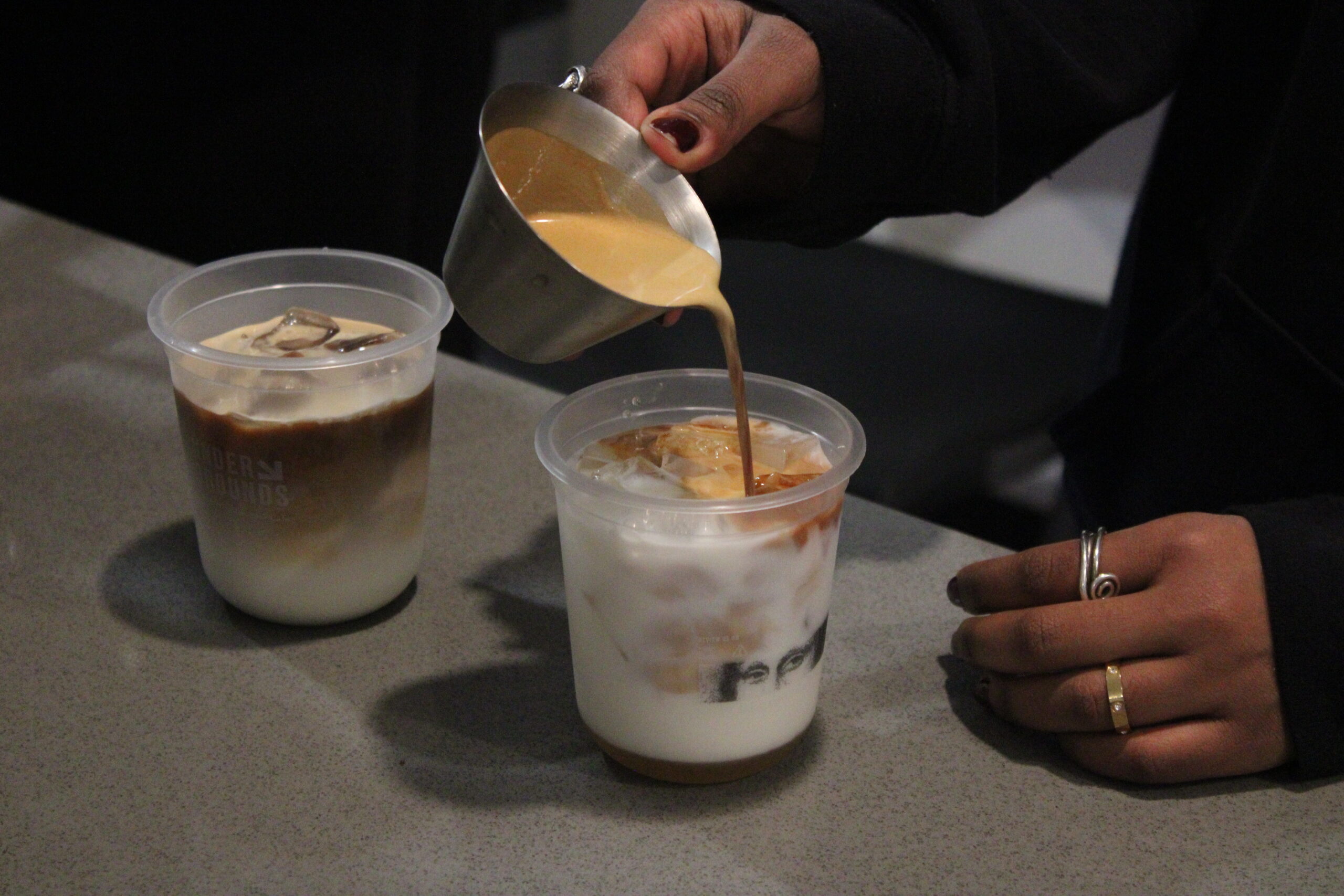
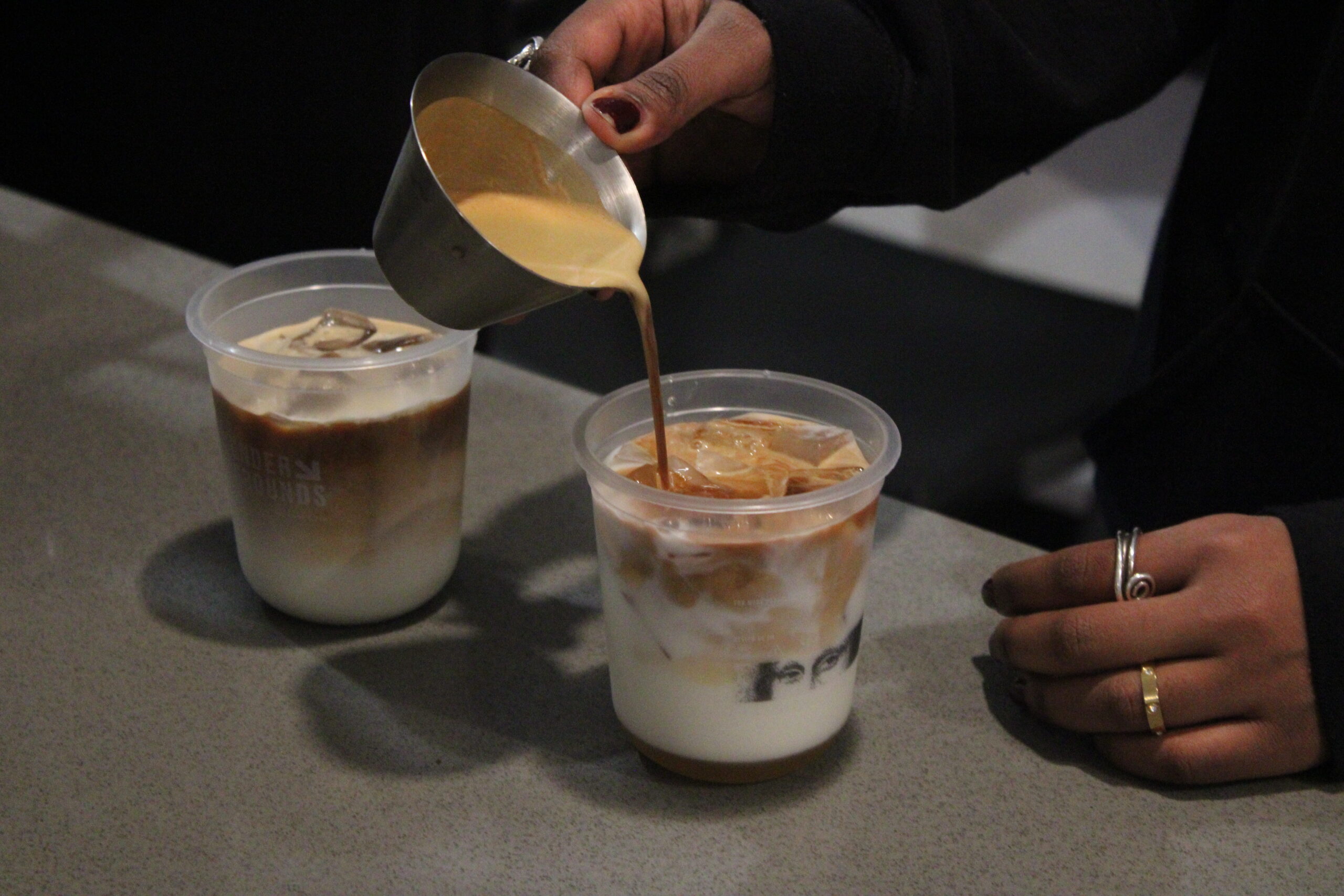
Undergrounds Co Coffee’s drinks are designed to “spark curiosity” according to their website. With flavours spanning from the classics such as lattes and americanos to a twist on the classics including ube matcha drinks and black sesame lattes.
According to Khaled, the use of ube, a type of purple sweet potato, is inspired by traditional Filipino desserts such as Ube halaya, and the sweet nutty flavours compliment coffee perfectly.
“We’ve always loved learning about coffee and experimenting with it,” said Marwah. “The reason for that was not everyone in my social circle and family liked the taste of coffee, so we had to come up with something to have them be included in our daily conversations over coffee.”
Marwah said her and her family have always thought Ottawa’s coffee scene could use a breath of fresh air. While most places in town have stuck to a well-known array of flavours, Undergrounds Co’s drinks have unique and uncommon flavors and textures inspired by cultures around the world.
“We thought that the market in Ottawa is redundant in terms of what a café offers. There is always the same menu,” said Marwah. “So we thought: let’s make fun coffee flavours accessible for everyone.”
When it comes to the future, Undergrounds Coffee Co wants to expand and be at a closer reach to their community,
“We want our space to be cozy, welcoming and fun to be around,” said Marwah. “We want our drinks to reflect the diverse cultures in the Ottawa community, and we want that community to also be involved in everything we do, every feedback and suggestion matters to us.”